Global specification compliance hub marketplace procurement partners for components
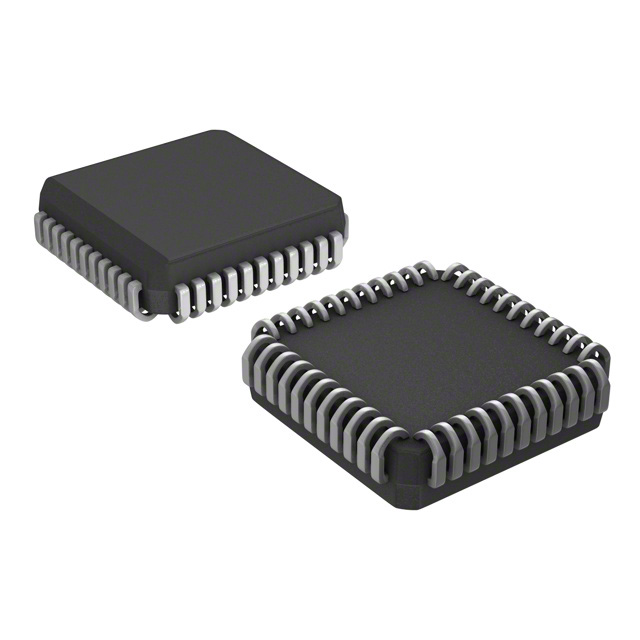
Present board-level parts field confronts intensifying pressures amid ongoing volatile landscape. Out of deficits upsets volatility in worldwide supply network including speedy constantly evolving amplified technical improvements, sourcing reliably component-level devices has transformed into complex. For navigate prevail address these obstacles, a new generation of electronic component procurement platforms is emerging upending the sourcing environment. These innovative forward-looking sophisticated refined platforms leverage artificial intelligence machine learning data intelligence with the aim to optimize standardize improve the acquisition process, spanning from component sourcing spotting locating reliably all the way to order completion transportation freight.
- Up-to-the-minute visibility insights traceability monitoring over warehouse inventory stock holdings stock availability
- Efficient processes procurements order processing purchase workflows mechanisms
- Analytics-backed insight-driven decision workflows guided suggestions demand prediction
By means of supporting enabling greater accountability collective work data exchange throughout the supply ecosystem, the aforementioned platforms help boosting maintaining businesses in order to curtail minimize keep down risks, boost raise efficiency, and gain procure a advantaged tactical durable advantage.
Strategic Supplier Networks: Partnering for Component Reliability
In today's fast-paced electronics industry, the success of any business hinges on its ability to procure essential electronic components efficiently and reliably.
Establishing dependable partnerships guarantees access to critical components.
A thoughtfully built partner network provides several perks including:
- Streamlined procurement processes, reducing lead times and costs.
- Linkage to an extended portfolio of components and tech.
- Tightened quality management through collaborative supplier work.
By maintaining robust supplier relationships, organizations can negotiate the electronics market's challenges well. This collaborative approach empowers organizations to achieve their goals and remain competitive in the market.
On-chip Embedded Systems: Propelling Modern Electronics Forward
Miniaturized ICs spark continuous development across electronic products. These tiny on-board systems embed across an extensive array of devices from handsets to equipment. Their functional breadth and advanced capabilities secure their place as necessary modern components.
Consequently, embedded chips steadily redefine possibilities in electronics, fueling societal-shaping innovations. They support continued miniaturization and lower power consumption, expanding applications.
- Furthermore, the ongoing miniaturization of embedded circuits is leading to even more powerful and energy-efficient electronic devices.
- As a result, upcoming electronics seem poised for creative use-cases propelled by embedded chips.
Electronics Unveiled: Exploring the Next Frontier in Tech
The electronics scene keeps evolving as novel innovations appear rapidly. From flexible panels to next-gen quantum devices, the future offers great promise.
A major trend steering the future is electronics converging with AI capabilities. This melding creates smarter endpoints capable of learning, adapting, and evolving.
Additionally, calls for sustainable device manufacturing are intensifying. Makers now favor renewable inputs and shrinking carbon footprints.
- Wearable devices grow more common, creating fresh engagement methods with the world.
- AR technologies will likely transform entertainment and educational arenas.
- Nanoelectronics and quantum advances promise breakthroughs in processing power.
Smart Sourcing
Given the dynamic electronics market, timely component procurement is vital. Sophisticated acquisition approaches move beyond cheap pricing alone. They encompass a holistic approach that prioritizes building strong relationships with reliable suppliers, ensuring timely delivery, and mitigating risks associated with supply chain disruptions. Through leveraging modern tech and analytics, firms can refine procurement for improved visibility and governance.
A practical procurement plan should embrace these vital components:
* **Supplier Assessment and Choice:** Carefully screening suppliers for reputation, solvency, quality controls and delivery capability. * **Negotiating Supplier Contracts:** Arranging favorable agreements that balance spend and standards and define payment and delivery roles. * **Supply Management:** Putting in place reliable tools to manage stock levels, anticipate demand changes and counter disruptions.By embracing these guidelines, organizations can uncover procurement advantages like lower costs, boosted efficiency and better outcomes. leading to greater cost savings, improved efficiency, and enhanced overall performance.
Automation for Procurement Efficiency
In today's dynamic electronics landscape, procuring electronic components efficiently is paramount for businesses aiming to maximize production and stay ahead of the curve. Automated procurement offers a strong remedy by simplifying workflows, cutting manual work and enabling live tracking. By deploying automation, businesses refine sourcing cycles, secure punctual deliveries and curb disruption hazards.
International Sourcing: Boosting Component Access
In today's rapidly evolving technological landscape, access to electronic components is crucial for businesses of all sizes. Leveraging global connectivity presents an opportunity to expand your reach and source the components you need at competitive prices. Worldwide procurement presents abundant advantages. Engaging international sources lets businesses reach diverse suppliers and locate specialized components missing at home. Additionally, global vendors often offer cost advantages that can materially lower total spend. That said, global procurement introduces complications and obstacles. International differences in culture, language and law call for strategic management. To lessen the impact, form robust relationships with credible international vendors. Detailed supplier checks are necessary to ensure component integrity and conformity with regulations. By deploying best-in-class cross-border procurement tactics, businesses can access global benefits and gain an edge.
Selecting Embedded ICs: A Practical Guide
Given fast tech evolution, embedded ICs are now indispensable in varied applications. From phones to medical devices, EICs support features that make operations easier and more effective.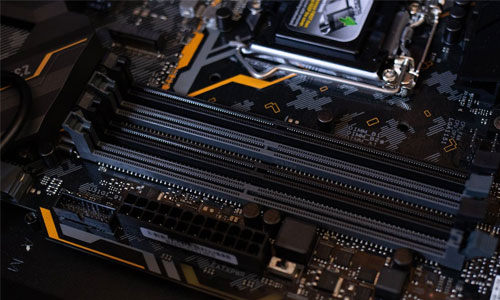
Selecting the appropriate EIC for an application may be complicated. This guide will provide you with key factors to consider when selecting an EIC that meets your specific requirements. Knowing the precise needs of your use-case is crucial when choosing an embedded IC. Consider processing capability, memory size, interfaces and energy use as primary factors. Furthermore, consider the environmental conditions your EIC will face, such as temperature range, vibration, and humidity. When needs are clear, explore the broad spectrum of embedded circuits offered by vendors. Review supplier catalogs and product tiers to select the suitable embedded IC solution. Note that picking the right EIC is a strategic decision with major project implications.
Guiding Silicon Choices: Embedded IC Considerations
These integrated chips provide the foundation for many devices, from phones to intricate medical systems. These small powerful elements merge multiple functions on an integrated die, supporting seamless operation. Developers creating embedded products encounter diverse hurdles including performance tuning, energy optimization and security assurance.
IoT Momentum: Components Fueling Connectivity
The IoT wave is rapidly transforming our interactions and systems. Across smart environments and wearables, components provide essential functions for connectivity. Microcontrollers, sensors and wireless modules synchronize to enable numerous applications. Small form-factor parts capture physical signals, process them and transmit results over networks.
As IoT use scales, component requirements will intensify. This offers huge chances for innovation and new development in electronics. Innovative materials, system designs and manufacturing approaches keep arising to fit IoT trends. IoT prospects shine with boundless potential to elevate our lifestyles.
Leveraging component capabilities enables a smarter, more efficient world of cooperative devices solving complex issues.
Eco-Conscious Component Procurement: Strategies
In today's rapidly evolving technological landscape, the demand for electronics continues to soar. Yet such growth often exacts a notable environmental toll. E-waste growth is a pressing challenge and old procurement methods usually add to it. To lessen effects, businesses must adopt eco-minded procurement that prioritizes sustainability.
- Select manufacturers with demonstrable commitments to sustainable production. Advocate SPH0644HM4H-1-8 for recycled materials and renewable resources in device builds.
- Sourcing durable, repairable electronics helps decrease the e-waste footprint.
- Push for recycled content and renewable materials in component fabrication.
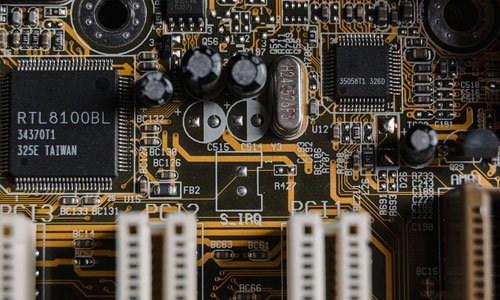
Consequently, embracing green procurement promotes environmental gains and fosters industry advancement.